Key Takeaways
- Applying for a loan online can save you time, but licensed moneylenders must verify borrowers’ identities in person at their approved business premises before granting loans.
- Never disclose your Singpass password, banking credentials or one-time passwords (OTPs) to a loan representative.
- Check the lender’s registration, understand the loan contract and assess whether repayments fit your budget.
- An online loan application does not guarantee approval or immediate disbursement.
Applying for a loan online is easy today. One click, a few prompts and your loan application is submitted. However, how many of these are legal and how many are unlicensed? Are you working with real lenders or loan sharks?
Unexpected expenses can arise when you least expect them. Whether you need to cover a medical bill, repair your car or manage a temporary cash shortfall, an online loan may seem like a convenient solution.
However, convenience should not come at the expense of your personal information or financial security. If you are wondering, “Is it safe to borrow money online?”, the answer depends partly on how you apply, who you deal with and whether you understand the commitment involved.
At Credit Empire, we encourage borrowers to approach borrowing carefully. Here is what to know about applying to moneylenders online, protecting your data and deciding whether a loan is right for you.
Can You Borrow From Moneylenders Entirely Online in Singapore?
Are you able to apply for a loan online and receive your cash, all from the comfort of your home?
You can submit an enquiry or online loan application through a licensed moneylender’s website if the service is available. This lets you start the process without visiting the premises just to make an initial enquiry.
However, applying online is not the same as completing the entire transaction remotely. In Singapore, licensed moneylenders must meet borrowers in person at their approved business premises to verify their identities before granting loans.
Be cautious if someone claims you can bypass the required procedures or promises immediate disbursement without the necessary checks. These claims are warning signs and should prompt you to verify the offer before sharing any information or making a decision.
If you are comparing online personal loan lenders, focus on whether they are properly licensed and transparent about their process. Do your homework before applying to avoid falling for moneylender loan scams. A professional-looking website alone does not establish that a lender is legitimate.
How to Apply for a Moneylender Loan Online Safely
Access the Lender’s Verified Website
Start by visiting the lender’s official website instead of clicking unfamiliar links in unsolicited messages. Compare the business name, licence number, address and contact details against the official Registry of Moneylenders to confirm they match. Understanding the Registry of Moneylenders and why it matters can help you identify legit moneylenders and make a more informed decision before you submit your application.
Prepare the Required Documents
Depending on the lender’s requirements and your circumstances, you may need the following:
- Identity proof (NRIC, Singpass, work pass or passport)
- Income proof (payslips, CPF statements, bank account statements)
- Address (recent utility bill)
- PayNow or bank details
The exact documents required may vary depending on the lender and on the borrower. Confirm what is required before submitting anything, and avoid providing unrelated personal information.
Submit Your Application and Follow the Next Steps
Complete the online loan application using the lender’s verified channels. The lender may review your details, request additional documents or arrange an appointment for the required in-person identity verification.
Take your time to understand the next steps and ask questions if anything is unclear. Submitting an application does not oblige you to accept the loan. You should proceed only after reviewing the proposed terms and deciding whether the commitment suits your needs.
How to Protect Your Personal Information When Applying Online
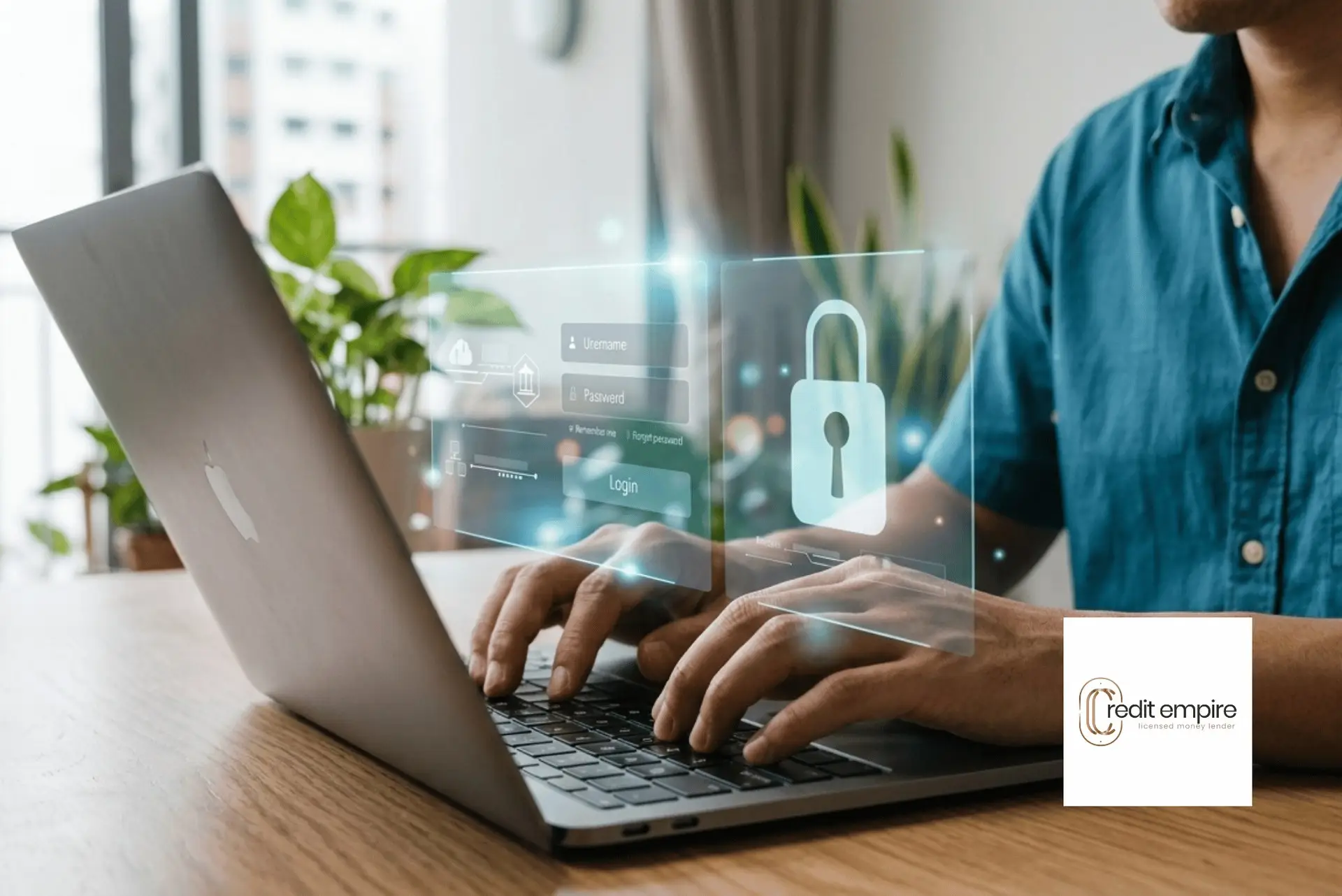
Never Share Your Singpass Password or OTPs
Your passwords and OTPs help protect your accounts. Never disclose your Singpass password, banking password or OTP to a loan representative, even if the person claims the information is needed to process your application. This includes any person claiming to be a government official or to be from the bank.
There is a difference between authenticating directly through a legitimate service and handing your credentials to someone else. Do not surrender control of your accounts or approve transactions you do not understand.
Submit Documents Through Trusted Channels
An application may require documents containing sensitive information, such as identification details, payslips or bank statements. Before uploading them, check the website address and confirm that you are using the lender’s intended submission channel.
Provide only the documents and information reasonably required for the application. Avoid sending sensitive files to unverified personal email addresses or messaging accounts simply because someone asks you to do so.
Pro tip: Check the URL to make sure that it matches the website address on the official list of licensed moneylenders. Avoid any suspicious-looking URL.
Recognise Phishing Links and Fake Login Pages
Fraudsters may use messages, links or QR codes that lead to fake websites designed to collect personal or banking details. A page that resembles an official service is not necessarily genuine!
Instead of following unexpected links, navigate to the official website independently. Stop if a page requests unusual credentials or information unrelated to the stated application process. These precautions can help reduce your exposure to an online loan scam.
Secure Your Device and Accounts
Keep your device and applications updated, use a screen lock and avoid submitting sensitive information over unsecured public Wi-Fi. If you use a shared device, do not save passwords and remember to sign out when finished.
These simple cyber hygiene habits help protect your information while you compare lenders or consider whether to apply for a personal loan online.
What to Check Before Accepting the Loan
#1 Review Interest Rates and Fees
Before accepting an offer, look beyond the advertised interest rate. Consider how interest, administrative fees and late-payment charges affect the total cost of borrowing.
Singapore’s licensed moneylending rules limit these charges, so understanding private moneylenders’ interest rates can help you evaluate the costs and make a more informed borrowing decision. Always review your loan terms rather than relying on an advertisement alone!
#2 Understand the Repayment Schedule
Confirm the amount of each instalment, the repayment dates and the total amount payable. A small monthly instalment may seem manageable, but you should consider the full repayment commitment.
The longer the repayment period, the higher the total interest charged.
#3 Check the Contract and Your Budget
Read the entire loan contract before signing, ask for clarification on unfamiliar terms and obtain a copy of the agreement. Then compare the repayments with your take-home income, essential expenses and existing debts.
Even if you qualify for a loan, borrowing may not be the best option if repayments leave you struggling to cover necessities. Consider whether you can meet the commitment without relying on further borrowing.
How to Recognise a Suspicious Online Loan Offer
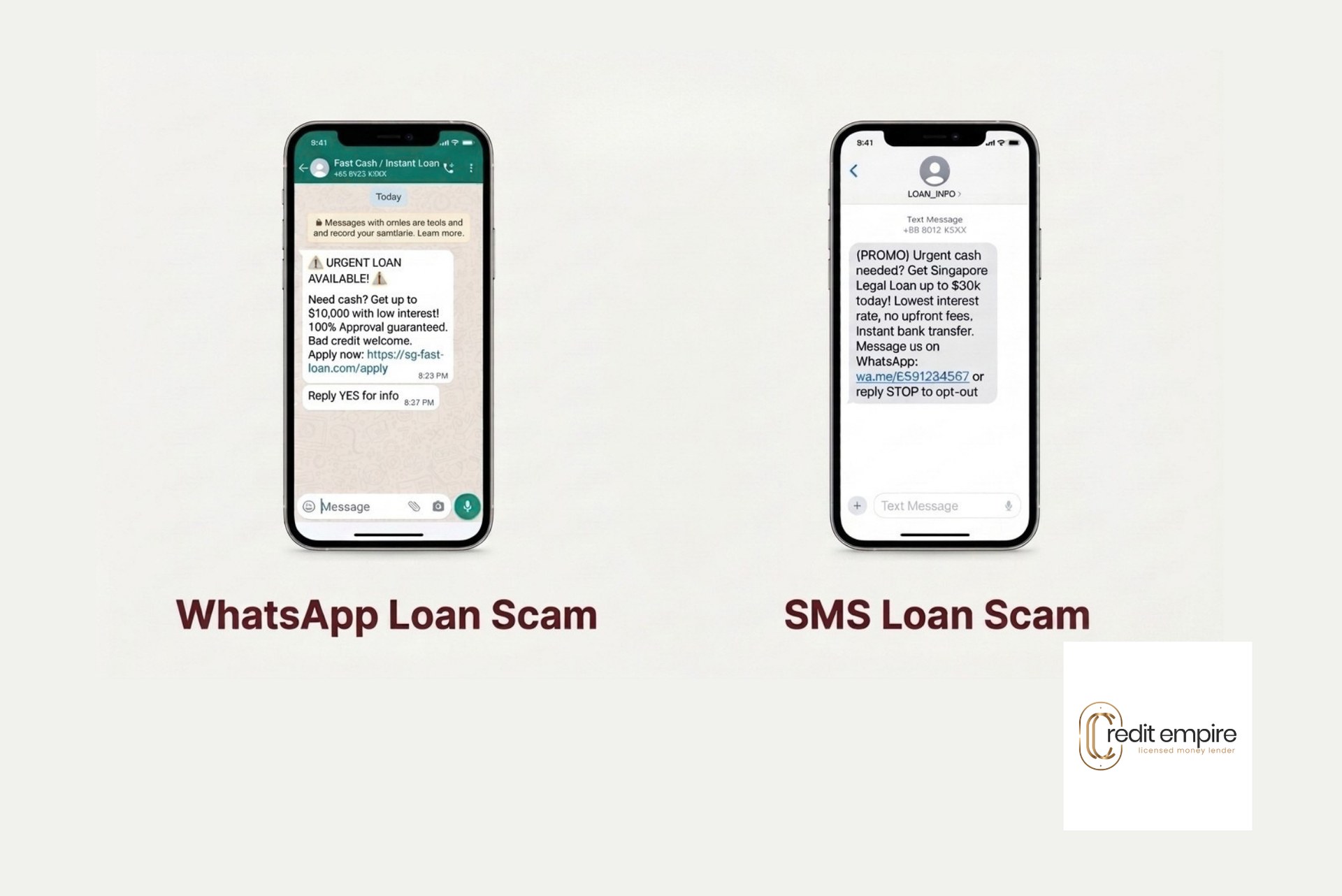
Be wary of unsolicited loan solicitations through prohibited channels. Scammers often promise guaranteed approval without proper assessment, pressure you to accept an offer immediately or demand advance payments to secure disbursement.
Licensed moneylenders cannot demand prohibited upfront payments, and any permitted administrative fees must comply with applicable rules. Before proceeding, familiarise yourself with the warning signs of moneylender loan scams so you can spot suspicious offers and avoid losing money or exposing your personal information. If an offer seems suspicious, you can call the ScamShield helpline at 1799.
Borrow Money Online With Care

Applying online can make it easier to explore borrowing options, but it doesn’t replace required verification procedures or the need to protect your personal information.
Before accepting a loan, verify the lender, review the contract and make sure repayments fit your budget.
If you want to find out more about online loans, visit Credit Empire. We encourage responsible borrowing and welcome you to contact our dedicated team to discuss your borrowing options and find out how we may assist you.
Read these next:
- 24 Hours Moneylender in Singapore: Do They Really Exist?
- Looking for MAS Licensed Moneylenders? Read This First
FAQs About Borrowing From Moneylenders Online
Can I apply for a moneylender loan online in Singapore?
Most certainly! You can submit an online application where a licensed moneylender offers this service. 24-hour moneylenders do not exist in Singapore, but 24-hour online applications do. After applying online, the lender must verify your identity in person at its approved business premises before granting the loan.
Do I need to share my Singpass password to apply for a loan?
Nope! Never disclose your Singpass password or OTPs to a loan representative. Use legitimate authentication services directly and keep your login details private.
Will an online loan application be approved immediately?
Not necessarily! Approval depends on the lender’s assessment, and disbursement may occur only after you complete the necessary checks and procedures.
What should I do if I have shared my banking credentials?
Contact your bank immediately to secure your account. Change compromised credentials through official channels, review recent transactions and report suspected fraud to the relevant authorities.